Your wrist, your finger, and even your bedside table now double as health gear. But which device is worth the money once you count the monthly fees? This guide compares the best wellness gadgets of 2026, from smart rings and watches to sleep and recovery tools, with prices, subscription costs, and phone limits. TechWeeklys did not test these devices, so every claim below comes from vendors and reviewers, and prices can change.
Wellness Gadgets at a Glance: Price, Fees, and Phone Support
The table below shows US starting prices, any ongoing fee, and which phones work. Prices come from vendor pages and retailer listings checked in November 2026, and sales or new models can change them fast. The fee column matters most, because several of these devices lose features without a paid plan. Recheck every price and phone requirement before you buy.
| Gadget | Starting price | Ongoing fee | Phone support |
|---|---|---|---|
| Oura Ring 5 (smart ring) | $399 | $5.99 per month or $69.99 per year for full features | iPhone and Android |
| Samsung Galaxy Ring (smart ring) | $399.99 | None | Android only |
| Apple Watch Series 12 (smartwatch) | $399 | None needed for core tracking | iPhone only |
| Garmin vivoactive 6 (smartwatch) | $299.99 | None reported | iPhone and Android |
| Garmin Forerunner 170 (running watch) | $299.99 | None reported | iPhone and Android |
| Withings ScanWatch 2 (hybrid watch) | $369.95 | Optional Withings+ plan | iPhone and Android |
| Fitbit Air (screenless tracker) | $99.99 | Optional, $9.99 per month or $99 per year | iPhone and Android |
| WHOOP 5.0 (screenless band) | Included with membership | $199 to $359 per year | iPhone and Android |
| Eight Sleep Pod 5 (smart mattress cover) | About $2,650 to $3,050 | Required, about $17 to $33 per month | Check app support |
| Hatch Restore 3 (sunrise alarm) | $169.99 | Optional, $49.99 per year | App needed for setup |
| Hyperice Hypervolt 3 (massage gun) | $249 | None | Optional Bluetooth app |
| Normatec 3 Legs (compression boots) | $899 at many stores, $799 at some | None | Bluetooth app |
Smart Rings for Sleep and Recovery
The Oura Ring 5 starts at $399 for the silver and black finishes, while the other finishes cost $499. Full app access needs a membership at $5.99 per month or $69.99 per year, and new members get the first month free. Without a membership, the app shows only three daily scores for readiness, sleep, and activity. Oura lists support for iPhone and Android and a battery life of six to nine days.
The Samsung Galaxy Ring costs $399.99 and needs no subscription. The catch is phone support: it works only with Android, and some features are limited to Samsung phones. BGR also lists the RingConn Gen 3 at $349 with no subscription, which gives fee averse shoppers another option. iPhone owners should not buy the Galaxy Ring.
Sizing matters for any ring, so order a sizing kit first. Oura offers a free sizing kit before you buy. Pick Oura if you want iPhone support, and pick the Galaxy Ring if you want to avoid fees on Android.
Smartwatches for Health Tracking
The Apple Watch Series 12 starts at $399 for the 42mm GPS model, and the 46mm size starts at $449. It needs an iPhone, and one report lists an iPhone 11 or later running iOS 27. Reviewers say battery life is still about 24 hours, so expect to charge it daily. It offers an ECG feature, and Tom’s Guide reports a new heart rate sensor and a readiness score.
The Garmin vivoactive 6 costs $299.99 and leans toward all day wellness. It offers Body Battery, sleep scores, and morning reports, but no onboard ECG. Garmin claims up to 11 days of battery, yet one tester saw roughly a week in normal use.
The Forerunner 170 also costs $299.99, suits runners, and lasts up to 10 days, with a $349.99 Music version. As far as we can tell from vendor and review pages, core tracking on both Garmin watches needs no paid plan.
The Withings ScanWatch 2 hides its sensors behind an analog style face and costs $369.95 in the US store. It offers an ECG, blood oxygen readings, and temperature tracking. The ECG app is cleared by the FDA to detect signs of atrial fibrillation, but it does not diagnose anything or detect heart attacks. The Withings+ plan is optional, and the app runs on iPhone and Android.
Screenless Trackers: Fitbit Air and WHOOP 5.0
Google’s Fitbit Air costs $99.99 and has no display, so you read everything in the Google Health app. It works as a simple sleep tracker and step counter, and core tracking of steps, sleep, and heart rate is free. The optional premium plan costs $9.99 per month or $99 per year. It weighs about 12 grams and has no built in GPS, and Google claims about a week of battery life.
WHOOP 5.0 has no separate hardware price, because the band comes bundled with an annual membership. The One plan costs $199 per year, Peak costs $239, and Life costs $359 and adds the WHOOP MG band with ECG. The band lasts 14 days or more and works with iPhone and Android. Because the band is tied to the plan, budget for the yearly fee from day one.
Sleep Tech: Eight Sleep Pod 5 and Hatch Restore 3
The Eight Sleep Pod 5 is a smart mattress cover with a bedside hub that sets a different temperature for each side of the bed. Prices differ by source, from about $2,649 to $3,049 for the cover, and Eight Sleep replaced the Pod 5 with the Pod 6 in late September 2026, so confirm the current model before you buy. An Autopilot membership is mandatory for the first 12 months, runs roughly $17 to $33 per month, and unlocks the automatic temperature, tracking, and alarms. Reviewers also flag water refills and sleep data sent to company servers.
The Hatch Restore 3 is a sunrise alarm, sound machine, and night light that costs $169.99. It works without a subscription, including more than 40 sleep sounds, though setup needs home internet and the app. The optional Hatch+ plan costs $49.99 per year and adds more content. If a $20 sunrise lamp meets your needs, you may not need this one.
Recovery Tools: Hypervolt 3 and Normatec 3 Legs
The Hyperice Hypervolt 3 massage gun costs $249, and the Pro version costs $349. BGR says it lasts up to four hours per charge and comes with five attachments, including a heated one. Treat it as a comfort tool for sore muscles, not as treatment for an injury.
Normatec 3 Legs are air compression boots listed at $899 by many stores, while some retailers list them at $799. They offer seven pressure levels and overlapping zones. The battery lasts up to three hours. People with vascular conditions should ask a doctor first.
Other Wellness Gadgets Worth Knowing About
Many wellness gadgets sit outside the big wearable brands. Other roundups cover air purifiers, LED face masks, sleep earplugs, and smart water bottles. Red light bands, vagus nerve stimulators, portable saunas, and vibration plates also appear on lists. Many claims for these products come from makers or customer reviews, and some devices may lack FDA approval.
Desk work adds its own problems, such as long sitting and tired eyes. A few small tools can make a work area easier on your body. Our list of best desk gadgets covers options worth a look.
Workplace wellness programs often run on an enterprise AI platform that connects health data, scheduling, and reporting in one place.
Medical Limits: What These Devices Cannot Tell You
Consumer wellness gadgets are not medical devices, and their scores are estimates. A sleep score, readiness number, or Body Battery level comes from an algorithm, not a lab test. Even a feature cleared by the FDA, like the Withings ECG app, only flags possible signs and does not provide a diagnosis. Talk to a doctor about any alert, symptom, or worrying trend.
Sleep tech needs extra care. Loud snoring, gasping, or breathing pauses call for a medical check, not a gadget setting. Also check what data each app collects before you wear a device every night.
How to Choose and Test a Device
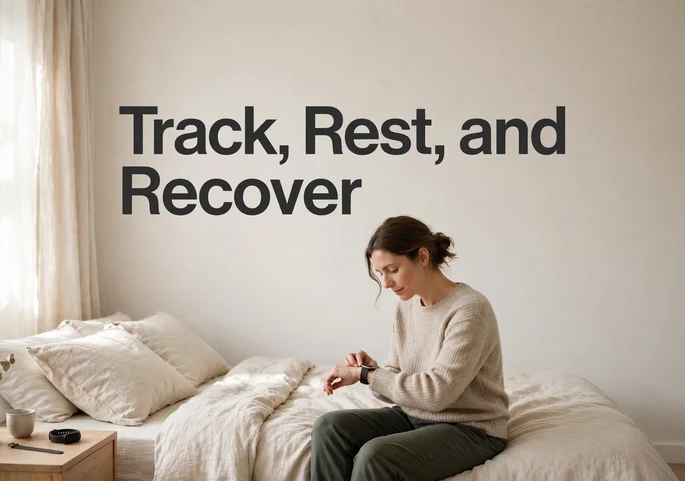
Total cost matters most when you shop for wellness gadgets. The Oura Ring 5 costs about $469 in year one with the annual plan, based on $399 plus $69.99, and about $539 by year two. The Galaxy Ring stays at $399.99, while WHOOP One reaches $398 after two years at $199 per year. Any fitness tracker subscription adds up, and an Eight Sleep Pod 5 can pass $2,850 in year one once you add membership, by our math from the prices above.
Check phone support before you pay. The Apple Watch needs an iPhone, and the Galaxy Ring needs Android. Oura, Fitbit Air, WHOOP, and Withings work with both iPhone and Android, based on the listings above.
Give any device two to three weeks before you judge it. Trackers need time to learn your habits, and the first days can look off. Wear it daily, compare its trends with how you feel, and use the return window if it does not fit.
Conclusion
The best wellness gadgets are the ones that fit your phone, your budget, and your habits. If you want more ideas beyond health, our guide to gadgets and gizmos shows what else is worth a look. Rings suit people who want a quiet tracker, watches suit people who want alerts and workouts, and screenless bands suit people who dislike screens. Sleep tech and recovery tools cost more, so treat them as upgrades, not starting points.
Start with one device, track how you feel for a few weeks, and add more only if it helps. Check prices, fees, and phone support again on the day you buy. None of these tools replace sleep, food, movement, or medical care.
Are wellness gadgets worth the money?
They can be, if you wear them and act on what they show. The value depends on total cost, so add any subscription before you decide. A cheaper tracker you wear daily beats an expensive one that stays in a drawer.
Do smart rings need a subscription?
It depends on the brand. Oura needs a membership for full app access, while the Samsung Galaxy Ring has no subscription. BGR also lists the RingConn Gen 3 as a subscription free option.
Can a smartwatch or ring diagnose health problems?
No. These devices give estimates and alerts, not diagnoses. Even an ECG feature cleared by the FDA only flags possible signs, so see a doctor about any concern.
How long should I test a new gadget?
Give it two to three weeks. That is enough time to see whether the data matches how you feel and whether you enjoy wearing it. Use the return window if it does not work for you.
Read More
Keep exploring more Tech Weeklys guides: