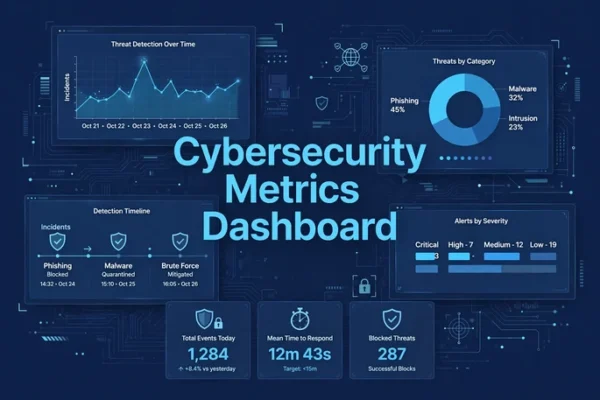
An alarm only helps if someone hears it in time. So how do security teams spot an attack while it is still unfolding? Security event management, often shortened to SEM, collects, analyzes, and responds to security events as they happen. This guide explains how it works, how it differs from SIM and SIEM, and how to pick the right approach.
What Security Event Management Means
SEM is the discipline of gathering and studying security events in real time and acting on them quickly. A security event is any recorded activity that might matter, such as a logon, a blocked connection, or a virus alert. Think of SEM as a live alarm system for your digital environment. When security event management works well, a small warning sign reaches the right person before it grows into a breach.
How SEM Works Step by Step
Logs and event data flow in from many sources, including firewalls, intrusion detection and prevention systems, antivirus software, servers, and network devices. The SEM system then links related events together and highlights behavior worth a closer look. An example is an administrator logging on outside normal business hours. Finally, it sends notifications and shows console views so responders can act.
The flow looks like this:
- Collect logs and event data from your devices and software.
- Correlate related events to find patterns.
- Highlight unusual behavior of interest.
- Send notifications to the right people.
- Show console views that support a response.
Real Time Threat Detection in Practice
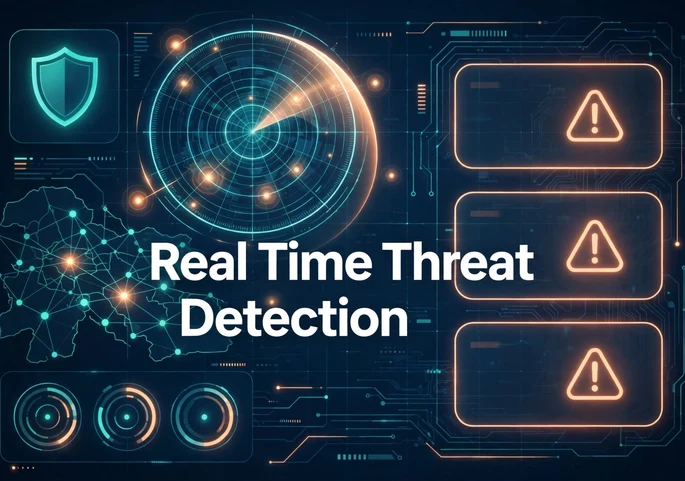
The main promise of SEM is speed. Real time threat detection means a suspicious pattern is flagged while it is happening, not found weeks later in a report. For example, one failed logon is usually harmless, but a failed logon followed by an odd administrator login on a critical server deserves attention. This kind of security event monitoring helps teams look at the signal instead of drowning in raw logs.
SEM vs SIEM vs SIM: What Is the Difference?
These three terms are often blurred, so it helps to separate them. SIM means long term storage, analysis, and reporting of log data. SEM means real time monitoring, correlation of events, notifications, and console views. SIEM combines SIM and SEM and adds real time analysis of alerts from network hardware and applications.
| Term | Main job | Time focus |
|---|---|---|
| SIM | Store, analyze, and report on log data | Long term |
| SEM | Monitor, correlate, and alert on events | Real time |
| SIEM | Combine SIM and SEM in one system | Both |
The history explains why the combined model won. SEM tools were pioneered around 1999, and the term SIEM was coined by Gartner analysts in 2005. SEM alone does not give complete data for deep historical threat analysis. Log management alone gives no real time insight, which is why the two were joined.
Where SIEM Fits In
In practice, you will often meet SEM as a feature inside a larger platform. Teams wanted live alerts and long term records, so vendors combined them. That is why many buyers now compare complete platforms instead of single purpose tools. This article stays focused on SEM, so the full SIEM story lives elsewhere.
For the combined picture, read about security information and event management, which merges SEM with SIM in one platform.
Key Benefits of SEM
The biggest benefit is catching threats before they escalate. Faster alerts also mean faster incident response, because responders start with context instead of a blank screen. SEM can support compliance work by showing that you watch and respond to events. Results depend on how well the system is set up, so benefits are never automatic.
Common gains include:
- Earlier warning of suspicious behavior.
- Quicker, better informed responses.
- A clearer record to support compliance reviews.
Challenges and Endpoint Agents
SEM is only as good as the data it receives, so every important device must send logs. Many setups use small agents or forwarders on endpoints to do this. Too many low value alerts can also tire out a team, so tuning rules matters. Challenges vary by vendor and by company, so test any tool against your own needs.
Sometimes a faulty security agent misbehaves on an endpoint Mac, and removing it cleanly matters. Our steps to uninstall apps on mac show how to remove an app and its leftovers safely. Check your company policy first, since removing a security agent can leave a device unmonitored.
Choosing Between SEM and SIEM
Start with one question: do you need live monitoring only, or also long term analysis and forensics? If you only need fast alerts on current activity, an SEM focused tool may be enough. If you must investigate old incidents or prove compliance over time, you need storage and reporting too, which points to SIEM. Also weigh team size, budget, and setup effort, and recheck vendor claims and pricing before you commit.
Conclusion
Security event management gives teams live eyes on their systems, turning scattered logs into timely alerts. SIM keeps long term records, SEM watches in real time, and SIEM joins both. Pick the model that matches how you work, whether that means quick monitoring or deeper analysis over time. Start small, tune your alerts, and improve step by step.
Frequently Asked Questions
What is security event management in simple words?
It is the process of collecting security events, studying them as they happen, and responding fast. Think of it as a live alarm system for your servers, network, and software.
What is the difference between SEM and SIEM?
SEM focuses on real time monitoring, correlation, notifications, and console views. SIEM combines SEM with SIM, which adds long term log storage, analysis, and reporting.
Is SEM the same as log management?
No. Log management stores and organizes logs but gives no real time insight on its own. SEM watches events live and alerts people when something looks wrong.
Do I need SEM if I already have SIEM?
Often not, because SIEM combines SIM and SEM. Confirm with your vendor that the real time features you need are included.
Read More